
 Muhammad Naeem
The memory shortage in Pakistan is getting worse, not better. Twelve days ago, our report on DDR5 RAM and SSD prices rising showed a Lahore shop raising the Samsung 990 PRO 1TB from Rs 48,999 to Rs 69,999 in a single step. Since then, the news from the memory makers has turned darker. TeamGroup, a memory brand that buys chips and sells finished RAM, said on 2 November that the worst period is still ahead of us, between the last quarter of 2026 and the second quarter of 2027. Samsung, SK hynix and Micron have sold out their 2027 supply. And a new warning from TrendForce says high prices are pushing some makers toward cheap reballed memory, which can fail early. If you plan to buy RAM or an SSD in Pakistan, this is the update that changes the plan.
This post builds on our earlier report, published on 10 November 2026, which covered the first wave of the price rise in detail. The facts below are what changed after that date, plus fresh Pakistan shop prices checked on 15 and 21 November 2026. Prices in this post are listings on the day we checked them, not fixed prices, and they can move fast. Check the shop listing again on the day you pay.
Memory shortage in Pakistan: the worst is yet to come
TeamGroup gave the clearest warning so far at its earnings call on 2 November 2026. The company said the worst period in memory demand is projected to be between the fourth quarter of 2026 and the second quarter of 2027, which is only a few months away. The reason is simple. The three big memory makers, Samsung, SK hynix and Micron, have sold out their 2027 supply and signed long term agreements with their biggest customers. That leaves very little memory for everyone else, including the brands that sell RAM sticks and SSDs to ordinary buyers.
TeamGroup put it in plain words: even if you have the funds, it might be impossible to purchase memory products. Right now, it is still possible to buy memory, but only at a high price. Soon enough, that may no longer be an option. That is a warning about supply, not just price. A buyer in Pakistan may soon find that the RAM stick they want is not in stock at any price, not merely that it costs more than it did last month.
The contract price shows how far things have moved. The contract price for a DDR5 16Gb chip was $8.70 in October 2025. By September 2026 it was about $48, more than five times higher. Spot prices, which is what buyers pay without a long term contract, carry a premium of 30 to 50 percent on top of that. The memory makers are not promising relief. Micron said on its call on 30 September that supply will be much tighter in calendar 2027 and 2028. SK hynix said demand will stay above supply through 2030. TrendForce, the research firm that tracks these prices, says real new factory output will not arrive before 2028.
DDR4 now costs more than DDR5, chip for chip
The strangest sign of the shortage is in the spot market, where chips trade day by day. On 30 October 2026, a branded 16Gb DDR4 chip cost $82.80 on DRAMeXchange, the price service run by TrendForce. On the same day, a branded 16Gb DDR5 chip cost $61.50. The older DDR4 chip now costs more than the newer DDR5 chip. That is the opposite of how it should work. Newer memory should cost more, because it is faster and made on newer lines.
The reason is supply. The big makers have moved their factory lines to server memory and to HBM, the stacked memory used in AI chips. They make less and less DDR4, so the DDR4 that is left gets dearer even though it is old technology. The DDR4 chip price has eased a little from its peak of $93.50 on 4 September, down 11 percent to $82.80 on 30 October, but it is still far above where it was a year ago. The DDR5 chip went the other way, rising from $54.25 on 2 September to $61.50 on 30 October, up 13 percent in under two months.
Used memory shows the same pressure. One reseller of used DDR4 server memory raised a third of its DDR4 listings on 20 October, and a 32GB DDR4-3200 server module that cost $249.95 in January now costs $399.95, up 60 percent. Desktop DDR4 kits have held roughly flat since February, but that is flat at a high price, not a return to cheap RAM. The message is the same in every corner of the market: no memory maker forecasts a fall.
| Memory chip, spot price | Price | Date | Change |
| Branded 16Gb DDR4 chip | $82.80 | 30 Oct 2026 | Down 11% from $93.50 peak on 4 Sept |
| Branded 16Gb DDR5 chip | $61.50 | 30 Oct 2026 | Up 13% from $54.25 on 2 Sept |
| Branded 8Gb DDR4 chip | $46.86 | 30 Oct 2026 | Still edging up |
| DDR5 16Gb contract price | About $48 | Sept 2026 | Up from $8.70 in Oct 2025 |
| Used 32GB DDR4-3200 server module | $399.95 | 1 Nov 2026 | Up 60% from $249.95 in Jan 2026 |
For a buyer in Pakistan, the DDR4 flip matters because most older PCs and laptops still use DDR4. If your machine takes DDR4, you cannot switch to DDR5. The slots are different, and the two types do not fit each other. So a DDR4 upgrade, which used to be the cheap fix, is now the dear one in the wholesale market, and that pressure reaches local shops with a short delay.
Pakistan prices: what shops list right now
Local prices confirm the squeeze is still biting. A check of three large Pakistani online stores, Computer Zone, ZAH Computers and TechMatched, on 15 November 2026, found a 16GB DDR5 desktop stick listed at Rs 53,500 to Rs 80,000, depending on brand and speed. A 16GB DDR4 desktop stick listed at Rs 29,000 to Rs 33,000. A 32GB DDR5 kit or single stick listed at Rs 115,000 to Rs 182,000. A 1TB NVMe SSD with PCIe 4.0 listed at Rs 39,500 to Rs 42,200 at the budget end. The same check found an 8GB DDR4 stick at Rs 16,800 to Rs 22,000. The figures come from Digit Hype, which checked all three stores on the same day.
A second check, dated 21 November 2026, looked at one popular DDR4 stick in more detail. The Lexar DDR4 16GB 3200MHz module lists at Rs 32,000 at ZAH Computers, Rs 33,000 at Computer Zone and Tech Arc, and Rs 34,999 at JunaidTech and TechMatched, based on the price comparison site qeemat.com.pk. The lowest price for that stick was Rs 30,500 at Computer Zone on 1 October 2026, and it was Rs 32,000 on 20 November 2026. So the price has crept up by about Rs 1,500 in seven weeks, not jumped in one step, but the direction is still up. Two other sticks checked on 20 November by PakDevices tell the same story: the ADATA Premier 16GB DDR4-3200 at Rs 32,999, and the Apacer Standard 16GB DDR4-3200 at Rs 28,800.
| Part, new | Pakistan price | Source and date |
| 16GB DDR5 desktop stick | Rs 53,500 to Rs 80,000 | Digit Hype, 3 stores, 15 Nov 2026 |
| 16GB DDR4 desktop stick | Rs 29,000 to Rs 33,000 | Digit Hype, 3 stores, 15 Nov 2026 |
| Lexar DDR4 16GB 3200MHz | Rs 32,000 to Rs 34,999 | qeemat.com.pk, 5 stores, 21 Nov 2026 |
| ADATA Premier 16GB DDR4-3200 | Rs 32,999 | PakDevices, 20 Nov 2026 |
| Apacer Standard 16GB DDR4-3200 | Rs 28,800 | PakDevices, 20 Nov 2026 |
| 32GB DDR5 kit or single stick | Rs 115,000 to Rs 182,000 | Digit Hype, 3 stores, 15 Nov 2026 |
| 1TB NVMe SSD, PCIe 4.0, budget | Rs 39,500 to Rs 42,200 | Digit Hype, 3 stores, 15 Nov 2026 |
Two things stand out in the local prices. First, the gap between DDR4 and DDR5 is still wide: a 16GB DDR5 stick costs roughly twice as much as a 16GB DDR4 stick in Pakistan. Our 16GB DDR5 RAM price in Pakistan page and our 32GB DDR5 RAM price in Pakistan page track those capacities in more detail. If your PC takes DDR4, the DDR4 upgrade is still the cheaper fix, even though DDR4 chips cost more than DDR5 chips at wholesale. Second, the spread between shops is large. The same class of part can differ by Rs 20,000 or more between stores, so checking three shops on the same day is worth real money. Our DDR4 vs DDR5 RAM comparison for Pakistan explains which type your machine takes and why the two are not interchangeable.
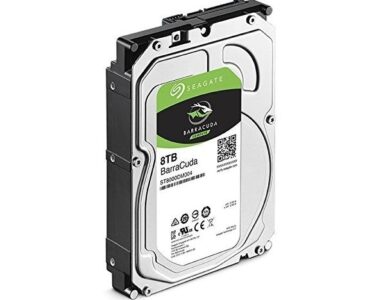
SSDs are rising too, but more slowly than RAM for now. TrendForce forecast NAND flash contract prices up 15 to 20 percent in the last quarter of 2026, and client SSD contract prices up 5 to 10 percent. Gartner estimated in February 2026 that combined DRAM and SSD prices would rise about 130 percent by the end of 2026, pushing average PC prices up 17 percent and smartphone prices up 13 percent against 2025. The rupee is not the cause: it was about 1.4 percent stronger against the dollar than a year earlier, so the jump comes mainly from global memory prices, with 18 percent sales tax on imports on top. New drives keep arriving, like the Samsung P9 portable SSD with USB4 speeds up to 4,000 MB/s, but they land in a market where every gigabyte costs far more than it did a year ago. Our 8TB HDD price in Pakistan page covers the cheaper spinning-disk option for buyers who need a lot of space and can live with slower speed.
The fake RAM risk grows as prices rise
The newest warning is the one buyers should take most seriously. TrendForce reported on 6 November 2026 that high DRAM prices are pushing some phone makers toward cheaper reballed memory. Reballed memory means chips taken off old boards and given new solder balls so they can be fitted to a new board. TrendForce warned that it can compromise reliability and shorten the life of the device, and that DRAM price increases are expected to gain momentum in the first quarter of 2027.
The same risk reaches the PC market in Pakistan. When a genuine 16GB stick costs Rs 30,000 or more, a fake or relabelled stick at half the price looks tempting. The warning signs are the same as ever: a price far below the ranges above, stickers that peel or look reprinted, a serial number the brand warranty site does not recognise, and RAM with no brand markings at all. A shop that will not give a printed invoice with the serial number on it is a shop to walk away from.
Protect yourself with three quick checks. First, search the exact model number, not just 16GB DDR4, and compare the price at three shops on the same day. Second, ask who honours the warranty, the brand local distributor or only the shop, and for how long. Some listings say without warranty, which means you carry the risk alone. Third, test the part on the day you buy it. For RAM, confirm the full size in Task Manager, then run Windows Memory Diagnostic. For an SSD, check the capacity in Disk Management and the health in CrystalDiskInfo. Report any fault inside the store return window. The free tool CPU-Z shows the real memory type and speed, and GPU-Z does the same for a graphics card, so a card reporting an older chip than its box claims is fake. Our Ryzen Black Friday CPU deals report from yesterday also notes that high memory prices eat into any saving on a new build, so the RAM check matters twice over when you buy a full PC.
Should you buy RAM now or wait
There is no forecast that promises cheaper RAM soon. TrendForce expects conventional DRAM contract prices to rise 10 to 15 percent in the last quarter of 2026. IDC said in June 2026 that it saw no relief to the memory shortage before the end of 2027. TeamGroup now says the worst period runs to the second quarter of 2027, and that some memory may simply not be available to buy. Waiting for a big fall is a gamble, and the gamble gets worse if the part you need goes out of stock.
Buy now if the RAM or SSD is part of a build you are doing now, or if your machine is short on memory for work you do every day. Buy only what you need, compare three shops, and keep the invoice and the box. Do not buy extra RAM to hold for later, and do not buy a used stick from an unknown seller on OLX or Facebook Marketplace without testing it in a working PC in front of you. Never send an advance, booking fee or courier charge by JazzCash, Easypaisa or bank transfer to a seller you have not met. If the upgrade can wait, hold off and keep checking prices, but do not expect the price to fall back to where it was a year ago. The market has moved, and the makers say it will stay moved for a long time.
- Buying now locks in today price before the next rise reaches local shelves
- RAM and SSDs are still in stock at Pakistani shops, at a high price, for now
- DDR4 upgrades are still the cheaper fix for older PCs, at Rs 29,000 to Rs 33,000 for 16GB
- SSDs are rising more slowly than RAM, so a storage upgrade costs less than a memory upgrade
- Checking three shops on the same day can save Rs 20,000 or more on one part
- Makers have sold out 2027 supply, so some memory may soon be unavailable at any price
- TeamGroup says the worst period runs from Q4 2026 to Q2 2027, with no quick relief
- DDR4 chips now cost more than DDR5 chips at wholesale, which pushes DDR4 prices up
- High prices are pushing some makers toward reballed memory, which can fail early
- No forecast promises cheaper RAM before 2028, when new factories add real output
FAQs
How bad is the memory shortage in Pakistan right now?
It is bad and getting worse. A 16GB DDR5 desktop stick lists at Rs 53,500 to Rs 80,000 at three Pakistani stores, checked on 15 November 2026, and a 16GB DDR4 stick lists at Rs 29,000 to Rs 33,000. TeamGroup said on 2 November that Samsung, SK hynix and Micron have sold out their 2027 supply, and that the worst period runs from the last quarter of 2026 to the second quarter of 2027.
Why does a DDR4 chip cost more than a DDR5 chip now?
Because the big makers moved their factory lines to server memory and AI memory, and they make less and less DDR4. On 30 October 2026, a branded 16Gb DDR4 chip cost $82.80 on the spot market, while a branded 16Gb DDR5 chip cost $61.50. The older chip is scarcer, so it costs more, even though it is slower.
What is reballed memory, and why should I care?
Reballed memory means chips taken off old boards and given new solder balls so they can be fitted to a new board. TrendForce warned on 6 November 2026 that high DRAM prices are pushing some makers toward it, and that it can compromise reliability and shorten the life of the device. Watch for prices far below the shop ranges in this post, peeling stickers, and serial numbers the brand warranty site does not recognise.
Should I buy RAM now or wait for prices to fall?
Buy now only if the RAM is part of a build you are doing now, or your machine is short on memory for daily work. No forecast promises a fall: TrendForce expects DRAM contract prices up 10 to 15 percent in the last quarter of 2026, IDC sees no relief before the end of 2027, and TeamGroup warns some memory may soon be unavailable. If the upgrade can wait, hold off, but do not expect prices to return to last year levels.
Where can I check the RAM price in Pakistan before I buy?
Compare the exact model number at three shops on the same day, such as Computer Zone, ZAH Computers and TechMatched, and confirm stock on the number listed on the shop own website. Our earlier report from 10 November 2026 covers the first wave of the rise, and our 16GB DDR5 and 32GB DDR5 price pages track those capacities over time.


Add comment