
 Muhammad Naeem
A 165Hz gaming monitor in Pakistan starts at Rs 49,499 for a 24-inch model and reaches about Rs 70,500 to 77,000 for the popular 27-inch QHD tier, based on seller listings checked on 1 October 2026. It is the refresh rate most new gaming monitors now ship with, sitting just above the 144Hz generation. This guide lists the models actually selling here, with honest stock labels, and explains who should pay for 165Hz and who should not.
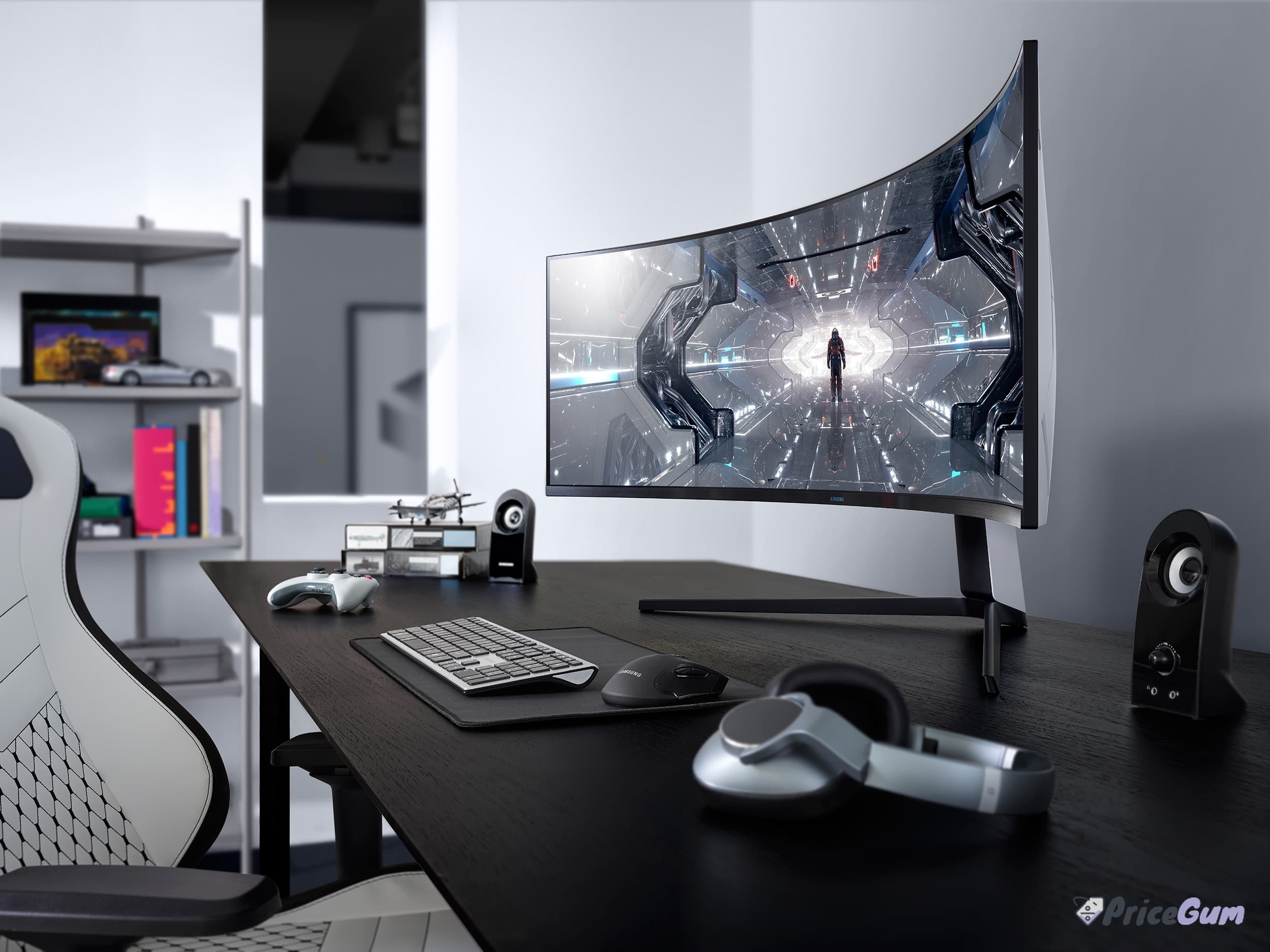
165Hz gaming monitors selling in Pakistan
| Model | Price (Rs) | Stock and notes |
| GAMEON GOE24FHD165IPS 24 inch 1080p at GamaZone | 49,499 | Listed |
| Samsung Odyssey G5 27 QHD (on this site) | 70,500 to 77,000 | Listed, curved VA panel |
| Gigabyte M27F A 27 inch at EezePC | 70,500 | Listed |
| MSI MAG272CQR 27 inch QHD at TechGlobe | 72,799 | Out of stock at check time |
| Used AOC 24G2SP on OLX | 34,999 | Used market, inspect before paying |
Two of these already have full pages on this site: the curved Samsung Odyssey G5 27 is itself a QHD 165Hz panel, and the ASUS VG249Q1A is the 24-inch 165Hz option we track as an availability post because stock comes and goes. If your budget sits lower, our 144Hz gaming monitor ladder starts below this tier, and the used AOC 24G2 class monitors appear on marketplaces from about Rs 34,999.
165Hz vs 144Hz: is the upgrade real?
| Refresh rate | Frames per second | Frame time |
| 60Hz | 60 | 16.7 ms |
| 144Hz | 144 | 6.9 ms |
| 165Hz | 165 | 6.1 ms |
| 240Hz | 240 | 4.2 ms |
Honest answer: the jump from 144Hz to 165Hz is small, about a 15 percent increase in frame delivery, and most players cannot feel it in a blind test. The reason to buy 165Hz in 2026 is not the number itself; it is that current-generation panels (better IPS response, better brightness, newer ports) happen to ship at 165Hz. Buy the panel quality first and treat 165Hz as the standard you get with it.
Which 165Hz monitor should you buy?
For esports on a budget, the 24-inch 1080p tier around Rs 49,499 is the sweet spot: light to run, fast, and cheap enough to leave budget for the GPU. For mixed gaming (esports plus story titles), the 27-inch QHD tier at Rs 70,500 to 77,000 is the one most buyers should aim for, because the sharper panel flatters everything you play. Whichever you pick, confirm it has the ports your GPU needs and check the dead-pixel policy before paying.
Panel types at 165Hz: VA, IPS and what changes
Most cheap 165Hz models use VA panels, like the curved Odyssey G5: deep blacks and strong contrast for story games and films, with some smearing behind fast dark movement. IPS models, like the Gigabyte M27F A, cost a little more and answer with cleaner motion and better viewing angles, which is why competitive players prefer them. Neither is a mistake at these prices, but match the panel to the games: shooters and racing titles reward IPS response, while cinematic single-player games look richer on VA. Brightness matters too in bright Pakistani rooms; a 300-nit panel is the practical floor for a window-lit desk.
What to check in the shop
Ask the seller to run the monitor at its full 165Hz before you pay, using a DisplayPort cable, because HDMI ports on some models cap the refresh lower. Look for dead or stuck pixels on a full white and full black screen, check backlight bleed in a dim corner of the shop, and confirm the box contains the right power brick for local sockets. Finally, confirm the refresh rate once at home in your display settings; many “slow” high-refresh monitors are simply still set to 60Hz from the factory, and Windows will not change it for you.
165Hz for console players
Console gamers ask about 165Hz for the wrong reason: the PS5 and Xbox Series X top out at 120 frames per second, so a 165Hz panel never shows them its full rate. What it does give a console player is a modern panel with low input lag, adaptive sync and proper HDMI bandwidth, and it leaves the door open to a gaming PC later. If the screen is purely for a console, a good 144Hz model saves money with zero visible loss; if a PC is even a maybe in the next two years, the 165Hz choice in this guide is the one to make. Either way, turn on the console’s 120Hz mode and use the HDMI cable that came in the monitor box.
Pros and cons
- Only a few thousand more than 144Hz models, so the upgrade is cheap when buying new
- 24-inch models start at Rs 49,499, the lowest entry into high-refresh gaming
- 27-inch QHD 165Hz models like the Odyssey G5 suit both esports and story games
- Your GPU needs to push 165 frames per second to feel the full benefit
- Some headline 165Hz listings are sold out or import-only, so confirm stock first
- At 24 inches the sharpness is 1080p; readers who sit close may prefer 27-inch QHD
Frequently asked questions
What is the 165Hz gaming monitor price in Pakistan?
From Rs 49,499 for a 24-inch 1080p model (GAMEON at GamaZone) up to Rs 70,500 to 77,000 for 27-inch QHD models such as the Samsung Odyssey G5 27.
Can my GPU actually run 165Hz?
In esports titles, most mid-range GPUs pass 165 fps at 1080p easily. At QHD, you will want an RTX 4060 class card or better for high settings.
Is 165Hz noticeably better than 144Hz?
Slightly smoother on paper, hard to feel in practice. Panel quality, response time and brightness matter more than the 21Hz gap.
Should I buy a used 165Hz monitor?
Used units appear from about Rs 34,999. Check for dead pixels, backlight bleed and flicker in person, and run it at full refresh for a few minutes before paying.
Prices and stock checked 1 October 2026 from the sellers listed above. Monitor stock in Pakistan rotates quickly, so confirm availability and the dead-pixel policy before ordering.


Add comment