
 Muhammad Naeem
Solar panel prices in Pakistan fell again in November 2026, with the typical dealer rate down to Rs 39.3 per watt on 15 November. That is 1.1% lower than a week ago, and the daily median rate of Rs 39.1 per watt is 1.6% lower than on 8 November, when it stood at Rs 39.8 per watt. The move is small, but it continues the slow slide in panel prices that has run through recent months, and it comes with a useful signal for buyers: full system prices have eased too, and one popular hybrid inverter is selling for Rs 53,000 less than its old price.
This update is based on fresh, dated figures. The panel rates come from solarrate.pk, a daily tracker of live dealer listings that was updated on 15 November 2026 at 5:31 am Pakistan time. The system prices come from the Mastoor Energy guide updated on 11 November 2026. The inverter price comes from HN Electric, checked on 13 November 2026. Where a figure is an estimate rather than a quotation, this article says so. The images on this page are illustrations, not photos of actual products.
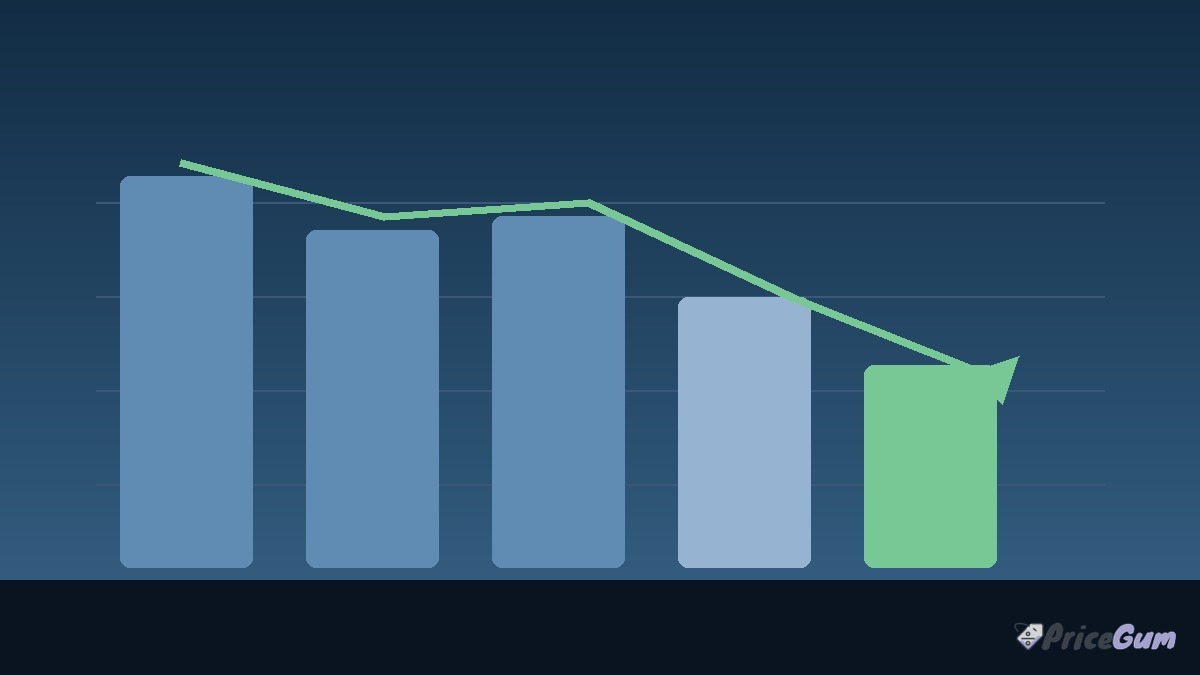
Solar panel prices in Pakistan November 2026
The solar panel prices in Pakistan November 2026 picture is clear: rates are drifting down, not jumping. The typical rate today is Rs 39.3 per watt, and most listings sit between Rs 37.0 and Rs 41.7 per watt. The tracker covers 88 live listings from 5 dealers, so the figure reflects real asking prices rather than a single shop.
| Panel brand | Typical rate per watt |
| Longi | Rs 40.8 |
| Jinko Solar | Rs 42.0 |
| Canadian Solar | Rs 41.0 |
| JA Solar | Rs 37.5 |
| Astronergy | Rs 38.0 |
| TCL | Rs 35.5 |
| Aiko | Rs 42.5 |
| Znshine | Rs 36.0 |
The cheapest panels on the tracker are the less known brands. A 585W Ronma N-type panel is listed at Rs 19,364, or Rs 33.1 per watt, with CoreTech at Rs 19,451 and Fronus at Rs 19,598. These are the lowest prices, not the typical price, and buyers should check the warranty and the distributor before choosing a cheap panel over a Tier-1 brand. A genuine panel from a large maker with a written warranty beats a cheap panel of unknown origin, even if the price per watt looks better.
For comparison, our early November snapshot, published on 3 November, put the typical dealer rate at Rs 39.9 per watt. The move to Rs 39.3 per watt in two weeks is a drop of about 60 paisa per watt. On a 10 kW array that is a saving of about Rs 6,000 on panels alone. It is not a big number, but it shows the direction of the market, and it matches the Mastoor guide, which notes that panel prices have eased by a few rupees per watt in recent months.
Panel rates move for simple reasons. The tracker itself notes that rates follow the rupee-dollar exchange rate, factory prices in China, import duties and taxes, and local stock. Demand also rises before summer and around budget time, so rates can move week to week. A steady rupee and healthy stock usually mean steady or falling prices, which is what we are seeing now.
What a full solar system costs in November 2026
Panels are only part of the bill. A complete installed system adds the inverter, the mounting structure, cabling, protection devices and labour. The Mastoor Energy guide, updated on 11 November 2026, puts installed on-grid systems at about Rs 77 per watt. A 10 kW on-grid system costs about Rs 8.15 lakh, with a range of Rs 7.34 lakh to Rs 8.97 lakh. The same size as a hybrid with a 10.2 kWh battery costs about Rs 14.10 lakh.
| System size | On-grid price | Hybrid price |
| 3 kW | Rs 3.40 lakh | Rs 5.60 lakh with 5.1 kWh battery |
| 5 kW | Rs 4.40 lakh | Rs 6.60 lakh with 5.1 kWh battery |
| 6 kW | Rs 5.17 lakh | Rs 9.97 lakh with 10.2 kWh battery |
| 8 kW | Rs 6.57 lakh | Rs 11.62 lakh with 10.2 kWh battery |
| 10 kW | Rs 8.15 lakh | Rs 14.10 lakh with 10.2 kWh battery |
| 15 kW | Rs 11.67 lakh | Rs 20.47 lakh with 15.4 kWh battery |
| 20 kW | Rs 15.17 lakh | Rs 27.27 lakh with 20.5 kWh battery |
These are market estimates with a range of plus or minus 10%, not quotations from Mastoor Energy, and buyers should treat them that way. The actual price depends on the panel brand, the inverter brand, the height of the structure, the cable quality and whether the electrical works are included. The right way to compare quotes is item by item, not by the total alone. Two quotes for the same size can differ by a lakh or more, and the cheaper one is not always the better deal.
On-grid suits homes with a steady supply where the main goal is a lower bill. It is the cheapest per kW and pays back fastest. Hybrid suits homes where load-shedding is the problem, or where most use is in the evening. The battery is what separates the two prices. Each 5.12 kWh lithium unit adds a fixed amount, so buyers should decide how many hours of backup they need before they compare quotes. For help choosing the right inverter, see our guide to the best solar inverters in Pakistan.
Solis 6kW hybrid inverter drops to Rs 192,000
The second piece of November news is a sharp price cut on one popular hybrid inverter. HN Electric was selling the Solis S6-EH1P6K-L-PLUS 6kW hybrid inverter at Rs 192,000 on 13 November 2026, down from Rs 245,000. That is a saving of Rs 53,000 on the inverter itself. Other online sellers were listing the same model at around Rs 209,000 to Rs 215,000 on the same day, so the HN Electric price was about Rs 17,000 below the cheapest other listing.
This is one dealer’s price, not a market-wide cut, and buyers should check the live price before they order. Prices can move, and another shop may undercut Rs 192,000 later. Even so, it is a useful data point, because the Solis 6kW is a common choice for home hybrid systems in Pakistan. For comparison, see the Growatt 10kW solar inverter and the Knox Krypton 13000 10kW solar inverter for larger systems, and the Crown Elego 6kW for a smaller hybrid option.
The Solis 6kW is a single-phase hybrid with a 6 kW output, an IP66 enclosure, a maximum 9.6 kW of usable PV input and a low-voltage 40 to 60V battery range. Its maximum efficiency is 96.2% according to the official Solis datasheet. It suits many homes and small offices with a single-phase supply that want solar plus battery backup for selected circuits. It is not a three-phase commercial inverter.
The Rs 192,000 figure is the inverter price only. Panels, batteries, protection devices, cabling, mounting, delivery and installation are extra. Buyers should confirm delivery charges, current stock and the written warranty terms before they pay, and should not rely on verbal promises about warranty length.
Net billing: the background that still matters
The net billing rules are not new November news, but they shape every buying decision this month, so they belong in this update. Under the NEPRA Prosumer Regulations 2026, which came into force on 9 February 2026, net metering was replaced with net billing. Exported units now earn about Rs 11 each, while the units a home buys cost several times that. Old agreements keep their terms until expiry, new agreements run for 5 years, and systems up to 1 MW are allowed.
The practical result is simple. The saving now comes mainly from the units you stop buying, not from the units you export. That is why sizing the system to your own use matters more than it used to, and why storing surplus power in a battery is often worth more than exporting it. A system that is too big wastes money on panels whose output earns only about Rs 11 a unit. A system matched to daytime and evening use pays back faster.
Buyers should also note that the export credit figure of about Rs 11 per unit is widely quoted but no single figure has been formally notified, so it should be treated as a guide rather than a promise. The rules themselves are in force, and that is what matters for planning.
What buyers should do this month
First, use the per-watt rate to check any quote you get. At Rs 39.3 per watt, a 585W panel should cost about Rs 22,991. If a dealer quotes much more than that for a Tier-1 panel, ask why. Second, get three quotes from different installers and compare them item by item: panels, inverter, structure, cabling, protection and labour. Third, check that the panels are genuine by matching the serial number under the glass with the label on the back, and by checking it on the maker’s own website rather than trusting a QR code from the shop.
Fourth, get the warranty in writing, including who handles warranty claims in Pakistan. A panel warranty is only as good as the company that honours it. Fifth, size the system from your actual bill. Find your monthly units, divide by about 127 to get the size in kW for Karachi, and allow about 36 square feet of roof per panel. A system sized to real use beats a system sized to a round number.
Finally, do not wait for a big price crash. Panel prices have eased by a few rupees per watt in recent months, but nobody can reliably predict the next move. If rates are stable, waiting usually costs more in electricity bills than it saves on panels. The better move is to get fresh quotes now, compare them properly, and buy when the numbers work for your own bill.
- Panel rates fell again in November to Rs 39.3 per watt, the lowest typical rate in recent weeks
- Full system prices have eased too, with a 10 kW on-grid system at about Rs 8.15 lakh
- Solis 6kW hybrid inverter down to Rs 192,000, a saving of Rs 53,000 at one dealer
- Steady rates make it a good time to get quotes and compare installers
- Net billing still rewards self-use, so a well sized system pays back steadily
- The weekly drop is small, only 1.1%, so waiting for a crash will not pay off
- Cheapest panels at Rs 33.1 per watt carry warranty and genuineness risks
- Hybrid systems still cost far more than on-grid because of battery prices
- Exported units earn only about Rs 11 each, so oversized systems waste money
- System prices are market estimates, and real quotes can differ by a lakh or more
What is the solar panel price in Pakistan in November 2026?
The typical dealer rate on 15 November 2026 is Rs 39.3 per watt, down 1.1% from a week ago. Most listings sit between Rs 37.0 and Rs 41.7 per watt. The figure comes from solarrate.pk, which tracks 88 live dealer listings.
How much does a 10 kW solar system cost in Pakistan?
A 10 kW on-grid system costs about Rs 8.15 lakh, with a range of Rs 7.34 lakh to Rs 8.97 lakh. The same size as a hybrid with a 10.2 kWh battery costs about Rs 14.10 lakh. These are market estimates from the Mastoor Energy guide updated on 11 November 2026, with a range of plus or minus 10%.
What is the Solis 6kW hybrid inverter price in Pakistan?
HN Electric listed the Solis 6kW S6-EH1P6K-L-PLUS at Rs 192,000 on 13 November 2026, down from Rs 245,000. Other sellers listed it at around Rs 209,000 to Rs 215,000 the same day. The price is for the inverter only.
Are solar panel prices going up or down in Pakistan?
They are easing down. The median rate fell 1.6% in the week to 15 November, and panel prices have eased by a few rupees per watt in recent months. Rates move with the rupee-dollar rate, factory prices and stock, so small weekly moves in either direction are normal.
Is solar still worth it under net billing?
Yes, for homes with bills in the higher slabs. The saving now comes mainly from the units you stop buying, since exported units earn only about Rs 11 each. Size the system to your own use and consider a battery if most of your use is in the evening.


Add comment